
A travel bucket list can quickly become a collection of famous landmarks.
There’s nothing wrong with wanting to see iconic places, but memorable travel isn’t determined entirely by how recognizable a destination is.
Instead of building your list around specific cities and countries alone, consider the kinds of experiences you want to have.
Here are five types of destinations worth experiencing.
1. A Tropical Escape
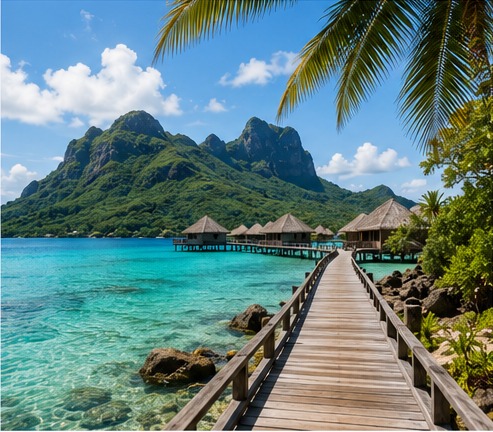
There’s something immediately different about arriving somewhere surrounded by warm weather, clear water, beaches, and tropical vegetation.
For some travelers, the perfect tropical trip means a resort and several days of relaxation.
Others want snorkeling, diving, kayaking, hiking, island hopping, local markets, and exploring nearby communities.
Before choosing a tropical destination, think about the experience you want.
Do you want nightlife or quiet evenings?
A large resort or smaller accommodation?
Activities every day or somewhere to do almost nothing?
The best tropical destination isn’t necessarily the most famous one. It’s the one that matches your preferred pace.
2. A Historic City
Historic cities allow travelers to experience the past in a way books and photographs cannot completely reproduce.
Architecture, streets, museums, monuments, places of worship, markets, and neighborhoods can reveal how generations of people lived.
Take time to walk rather than moving entirely between major attractions.
Visit local museums.
Try regional food.
Learn a little about the history before arriving.
Understanding what happened in a place can completely change the experience of standing there.
3. A Mountain Destination
Mountain travel offers something in almost every season.
During warmer months, travelers might hike, camp, cycle, explore lakes, take scenic drives, or simply enjoy the landscape.
Winter can transform the same destination into a center for skiing, snowboarding, winter hiking, or relaxing somewhere warm while snow falls outside.
You don’t necessarily need to be an extreme adventurer.
Many mountain destinations have accessible viewpoints, cable cars, scenic roads, villages, and activities suitable for different ability levels.
4. A Major Global City
At least once, experience a city where it feels like everything is happening simultaneously.
Large global cities can combine food, culture, business, entertainment, history, art, architecture, shopping, and communities from around the world.
Don’t try to see everything.
Choose a few priorities and leave space for wandering.
Explore neighborhoods outside the main tourist district.
Use public transportation when practical.
Eat somewhere you didn’t find on a “top 10” list.
Sometimes the best way to experience a city is to stop trying to complete it.
5. Somewhere You Know Almost Nothing About
This may be the most interesting category.
Choose a destination that wasn’t originally on your list.
Perhaps it’s a smaller city near somewhere famous.
Maybe it’s a country you’ve heard about but never seriously considered visiting.
Research safety, entry requirements, transportation, accommodation, weather, and local customs just as you would for any trip.
Then approach the experience with curiosity.
Travel can be particularly memorable when you arrive without a long list of expectations.
Build a Bucket List Around Experiences
Instead of writing only:
Paris. Tokyo. New York. Bali.
Try writing:
See a major city alone.
Spend several days beside the ocean.
Visit ancient architecture.
Take a mountain road trip.
Try food I’ve never eaten before.
Experience a different language and culture.
See the night sky somewhere far from a city.
Now your bucket list is about experiences rather than collecting destinations.
Don’t Wait for the Perfect Trip
Travel doesn’t have to be international or expensive to be meaningful.
There may be places worth exploring a few hours from where you live.
A weekend road trip can create great memories.
A nearby city you’ve never properly explored can still feel new.
Start with what is realistic for your circumstances and build from there.
A bucket list isn’t an obligation.
It’s a collection of possibilities.